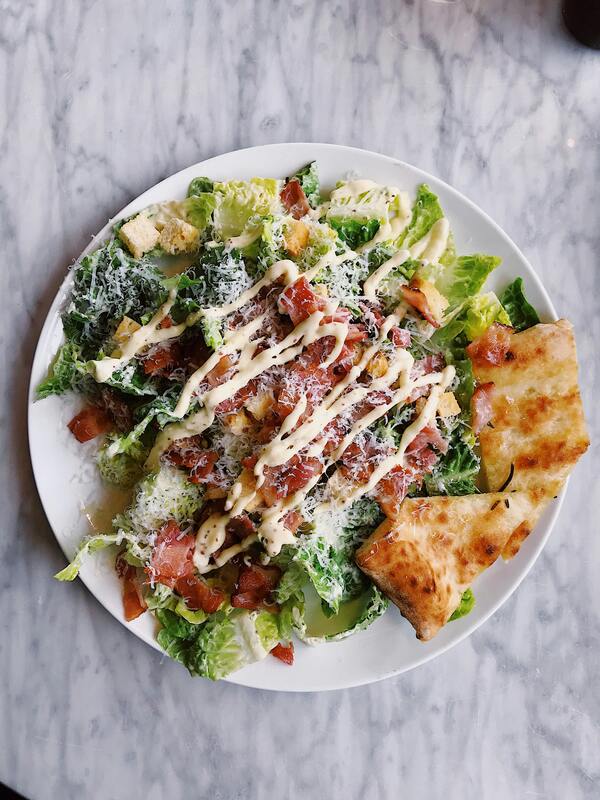
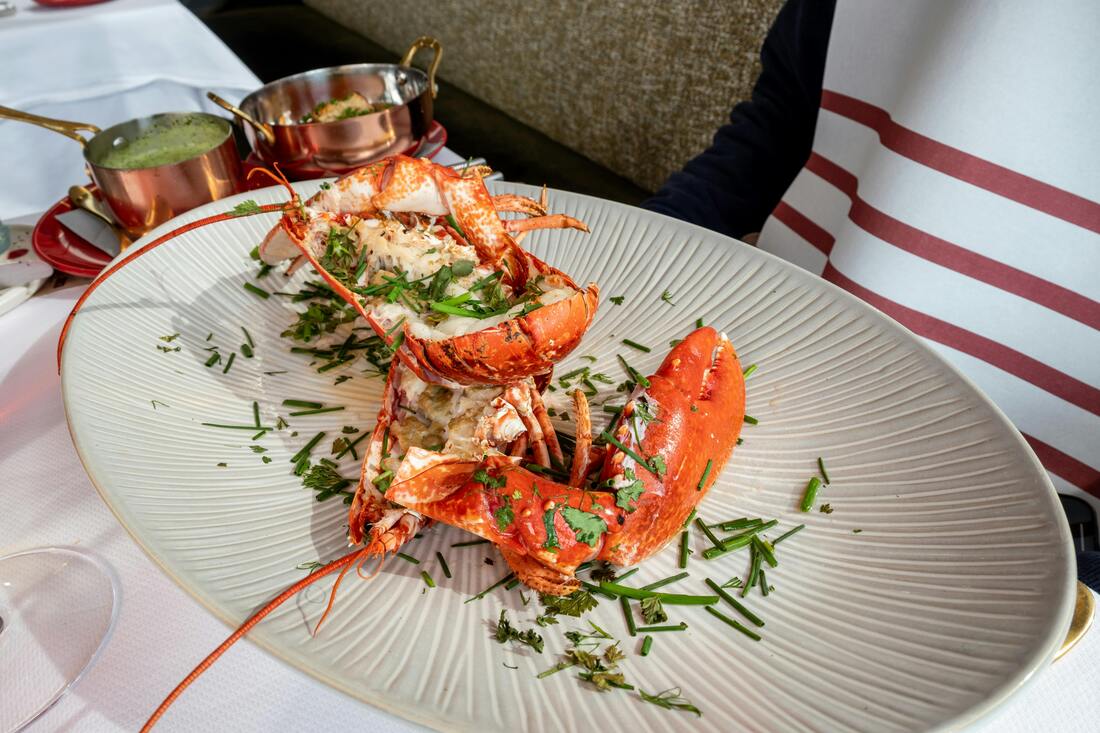
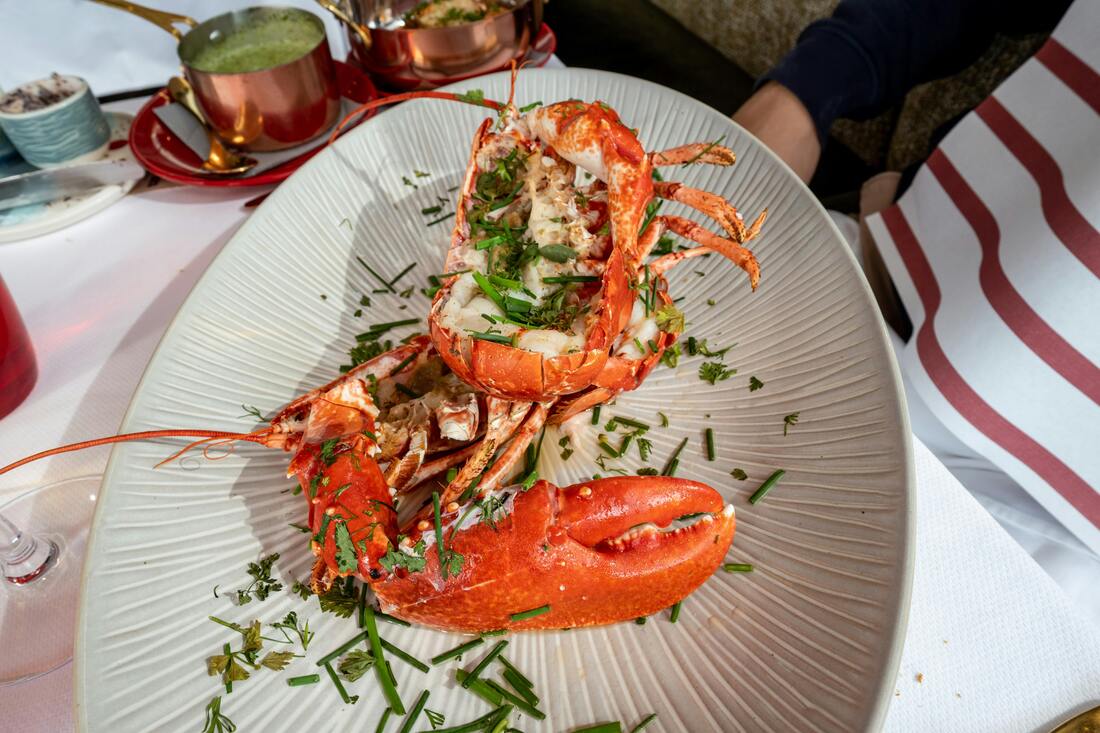
A Designer Plate is what you use to eat your lunch on! It's usually a bit bigger than a side plate, but not as big as a dinner plate.
* Typical size: About 9 to 10.5 inches across.
* What it's for: To hold all your lunch stuff – your grains, protein, veggies, and whatever else you're having.
**What Designer Plates Are Made Of**
* **Stainless Steel:** Really tough and won't break. You see these a lot in India and places like schools because they're split into sections.
* **Ceramic/Porcelain:** Look fancy, are kinda heavy, and keep your food warm. Good for Designer Plate or restaurants.
* **Melamine:** Light plastic that lasts a while, but don't use it in the microwave.
* **Glass:** Doesn't soak up stuff and you can microwave it, but it can break.
* **Bamboo/Wood:** Looks cool and good for the planet, but not for super soggy foods.
* **Disposable (Paper, etc.):** Easy for parties and trips, and lots of them are good for the environment now.
**Cool Plate Designs**
* **Flat Plate:** Just a basic plate, does the job.
* **Section Plate:** Has different spots for different foods – keeps your sauce from getting into your rice.
* **Rimmed Plate:** Has a little edge so your gravy doesn't spill.
* **Thali Plate:** Big round plate with little bowls for a bunch of different foods – common in South Asian meals.
* **Tray Plate:** Like you see in cafeterias, with slots or handles.
**How to Load Up Your Plate (The Healthy Way)**
A good Designer Plate is usually:
* Half: Veggies and fruits
* Quarter: Whole grains (rice, pasta, etc.)
* Quarter: Protein (beans, meat, whatever)
* Maybe a little bit of healthy fat (oil, nuts) or dairy (cheese). This gives you good energy and nutrients.
**Keeping Your Plate Clean**
* **Stainless Steel:** Wash it by hand or in the dishwasher.
* **Ceramic/Glass:** Dishwasher is fine, but be careful not to break it.
* **Melamine:** Wash by hand, don't microwave.
* **Wood/Bamboo:** Wash by hand and dry right away.
* **Disposable:** Toss it (but compost it if you can!).
**Thinking About the Planet**
* Plates you can use again are the best.
* If you use disposable, get the ones that can be composted.
* Plastic plates are bad news.
**Plates Around the World**
* **Indian thali:** Lots of little bowls with different stuff.
* **Western plate:** Main thing (sandwich, etc.) with sides (salad, etc.).
* **East Asian tray:** Rice, soup, veggies, and protein all in their own spots.
* **School plates:** Usually sectioned for easy serving.
**Plate Sizes**
* Small plate: 7–8 inches
* Designer Plate: 9–10.5 inches
* Dinner plate: 11–12 inches
**Picking the Right Plate**
Think about:
* Where you'll use it
* What kind of food you eat
* How easy it is to clean
* If it's microwave- or dishwasher-safe
* If it's good for the environment
**Plate Manners**
* Take small amounts at first, get more later.
* Don't pile your plate super high.
* Don't mix saucy and dry foods.
* Taste before you add salt.
* Clear your plate when you're done.
* Typical size: About 9 to 10.5 inches across.
* What it's for: To hold all your lunch stuff – your grains, protein, veggies, and whatever else you're having.
**What Designer Plates Are Made Of**
* **Stainless Steel:** Really tough and won't break. You see these a lot in India and places like schools because they're split into sections.
* **Ceramic/Porcelain:** Look fancy, are kinda heavy, and keep your food warm. Good for Designer Plate or restaurants.
* **Melamine:** Light plastic that lasts a while, but don't use it in the microwave.
* **Glass:** Doesn't soak up stuff and you can microwave it, but it can break.
* **Bamboo/Wood:** Looks cool and good for the planet, but not for super soggy foods.
* **Disposable (Paper, etc.):** Easy for parties and trips, and lots of them are good for the environment now.
**Cool Plate Designs**
* **Flat Plate:** Just a basic plate, does the job.
* **Section Plate:** Has different spots for different foods – keeps your sauce from getting into your rice.
* **Rimmed Plate:** Has a little edge so your gravy doesn't spill.
* **Thali Plate:** Big round plate with little bowls for a bunch of different foods – common in South Asian meals.
* **Tray Plate:** Like you see in cafeterias, with slots or handles.
**How to Load Up Your Plate (The Healthy Way)**
A good Designer Plate is usually:
* Half: Veggies and fruits
* Quarter: Whole grains (rice, pasta, etc.)
* Quarter: Protein (beans, meat, whatever)
* Maybe a little bit of healthy fat (oil, nuts) or dairy (cheese). This gives you good energy and nutrients.
**Keeping Your Plate Clean**
* **Stainless Steel:** Wash it by hand or in the dishwasher.
* **Ceramic/Glass:** Dishwasher is fine, but be careful not to break it.
* **Melamine:** Wash by hand, don't microwave.
* **Wood/Bamboo:** Wash by hand and dry right away.
* **Disposable:** Toss it (but compost it if you can!).
**Thinking About the Planet**
* Plates you can use again are the best.
* If you use disposable, get the ones that can be composted.
* Plastic plates are bad news.
**Plates Around the World**
* **Indian thali:** Lots of little bowls with different stuff.
* **Western plate:** Main thing (sandwich, etc.) with sides (salad, etc.).
* **East Asian tray:** Rice, soup, veggies, and protein all in their own spots.
* **School plates:** Usually sectioned for easy serving.
**Plate Sizes**
* Small plate: 7–8 inches
* Designer Plate: 9–10.5 inches
* Dinner plate: 11–12 inches
**Picking the Right Plate**
Think about:
* Where you'll use it
* What kind of food you eat
* How easy it is to clean
* If it's microwave- or dishwasher-safe
* If it's good for the environment
**Plate Manners**
* Take small amounts at first, get more later.
* Don't pile your plate super high.
* Don't mix saucy and dry foods.
* Taste before you add salt.
* Clear your plate when you're done.